REACH (Registration, Evaluation, Authorization and Restriction of Chemicals) is the EU's comprehensive chemical regulation. With 2026 updates to the SVHC candidate list, importers face new compliance obligations. This guide explains current requirements and practical compliance strategies.
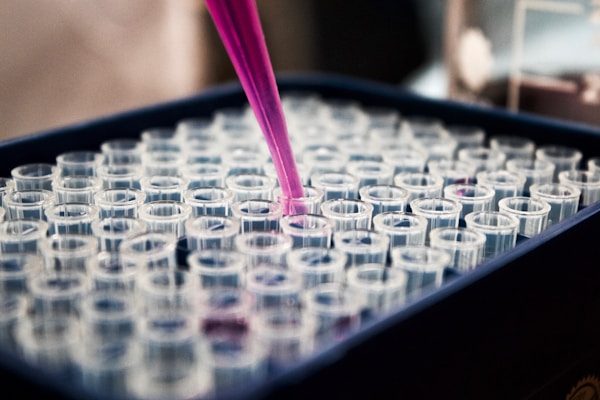

2026 SVHC List Updates
The SVHC (Substances of Very High Concern) list now contains over 240 substances. Key 2026 additions include:
New phthalate variants with endocrine-disrupting properties
Additional PFAS compounds
Novel flame retardants with bioaccumulation concerns
Any product containing >0.1% w/w of any SVHC requires SCIP database notification and customer communication.
Importer Obligations
Registration: Only EU-based manufacturers/importers must register substances. Non-EU exporters don't register directly but must provide data to their EU importer.
Restrictions: Annex XVII lists restricted substances with specific limits. Common restrictions: lead in jewelry, phthalates in toys, AZO dyes in textiles.
Communication: Supply chain disclosure of SVHC content >0.1% within 45 days of request.
Testing Strategy
Full REACH testing is impractical for most products. Instead:
1. Identify product materials and likely SVHC risks
2. Test for high-risk substances (phthalates, heavy metals, PFAS)
3. Request supplier declarations for lower-risk materials
4. Monitor SVHC list updates quarterly
Penalties for Non-Compliance
EU member states enforce REACH with penalties up to 50,000-500,000 euros per violation. Market surveillance authorities conduct random testing at ports and retail locations.